
Turning A Simple Idea Into A Functional Programming Project Successfully Today
Every useful software application begins with a simple idea. It could be a calculator that saves time, a reminder that organizes daily activities, or a website that makes information easier to find. Turning that idea into a functional programming project requires planning, logical thinking, and consistent practice. With the right approach, beginners can transform their concepts into working applications while developing practical programming skills.
1. Define Your Project Idea Clearly
Before writing your first line of code, understand the problem your project should solve. Think about who will use the application, what they need, and how your solution can help. For example, a student might create a study planner to organize subjects, deadlines, and revision schedules. Keeping the initial idea focused makes development easier and helps you avoid unnecessary features that complicate the project.
Once you understand your objective, write down the essential functions your application must perform. A study planner might need task creation, completion tracking, and deadline reminders. Separate these requirements from optional improvements that can be introduced later. This simple exercise gives your project a clear direction, helps you make informed decisions, and establishes a practical foundation for the development process.
2. Choose Suitable Programming Tools
Selecting appropriate programming tools helps you turn your idea into a working solution without creating unnecessary technical difficulties. Consider the type of application you want to build, your current experience, and the features you need. A basic website might use HTML, CSS, and JavaScript, while a simple automation script could be developed using Python. Choose technologies that match your project's purpose.
You do not need to learn every programming language before starting your first project. Instead, focus on understanding the tools required for your chosen application. Explore their basic syntax, useful libraries, and available development environments. Start with familiar concepts and gradually introduce new techniques as your requirements grow. This focused learning approach makes programming more approachable and encourages steady progress.
3. Build Features Step By Step
Once your requirements and tools are ready, divide the project into smaller, manageable tasks. Begin with the most important function and make sure it works before adding another feature. For instance, a study planner should first allow users to create tasks. You can introduce editing, completion tracking, and deadline management afterward. Building incrementally makes progress easier to measure and understand.
During development, test each feature as soon as you complete it. Check whether buttons respond correctly, information appears as expected, and user inputs produce appropriate results. When something fails, examine the relevant code, identify the cause, and make necessary corrections. Debugging is a natural part of programming, not a sign of failure. Each problem you solve strengthens your understanding and improves your technical confidence.
4. Test Improve And Refine
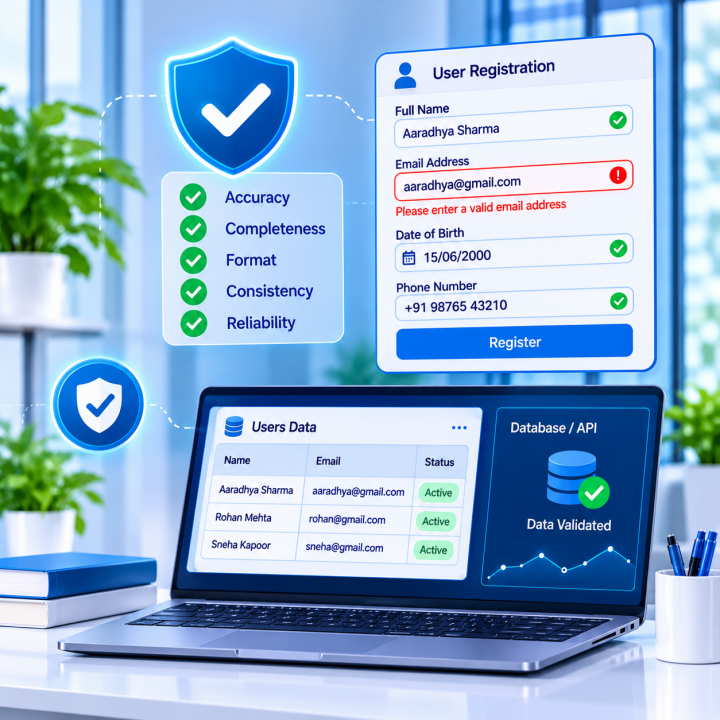
Completing the main features does not mean your programming project is finished. Test the application from a user's perspective and identify anything confusing, inconsistent, or difficult to operate. Try different inputs, check unusual situations, and confirm that the application handles errors appropriately. These checks reveal weaknesses that might remain unnoticed when you examine only the code you have written.
After testing, prioritize improvements that make the application more useful. You might simplify navigation, improve error messages, organize functions, or refine the interface. Document important decisions and use version control to track changes as the project develops. When the application performs its intended tasks consistently, share it with others for feedback. Their experiences can reveal practical improvements and inspire your next programming project.
Turning a simple idea into functional software is a rewarding way to learn computer programming. Start with a clear problem, select suitable tools, build manageable features, and improve through testing. You do not need a complicated concept to create something valuable. Every completed project teaches useful lessons, strengthens problem-solving abilities, and prepares you to approach more ambitious software development challenges with confidence.